Technical Challenges and Cost Factors of NOx Sensors
Aug 04,2025 | noxsensor
NOx Sensor Probe: Function, Materials, and Testing Requirements
1. Function of the Probe
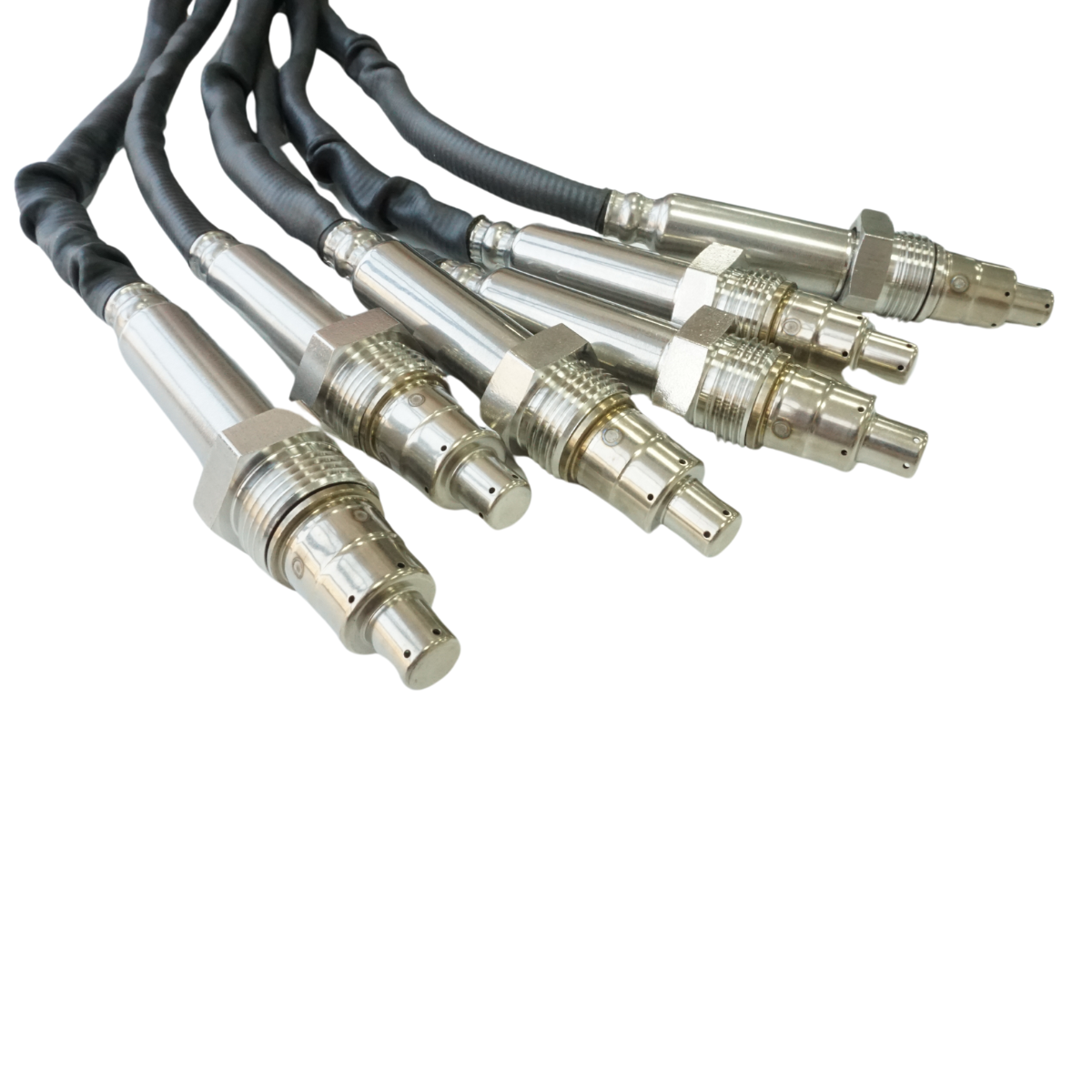
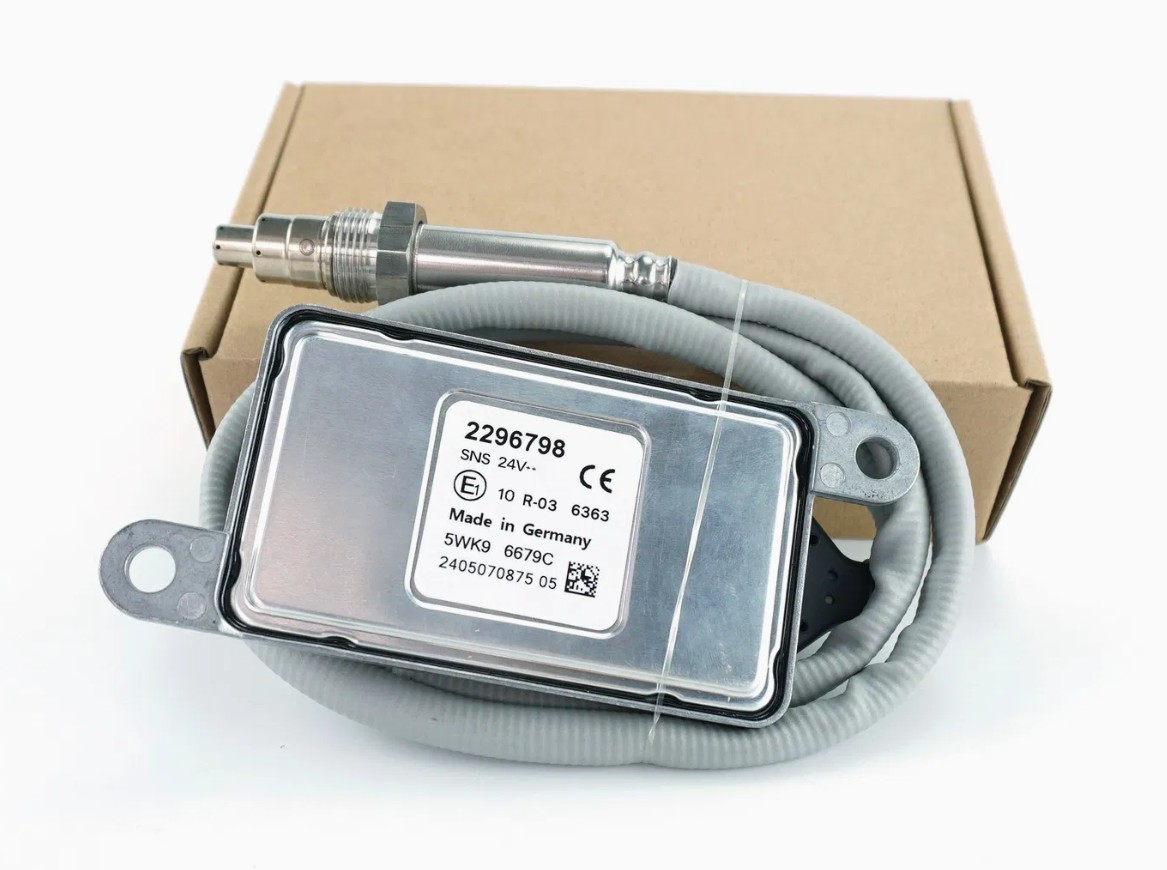
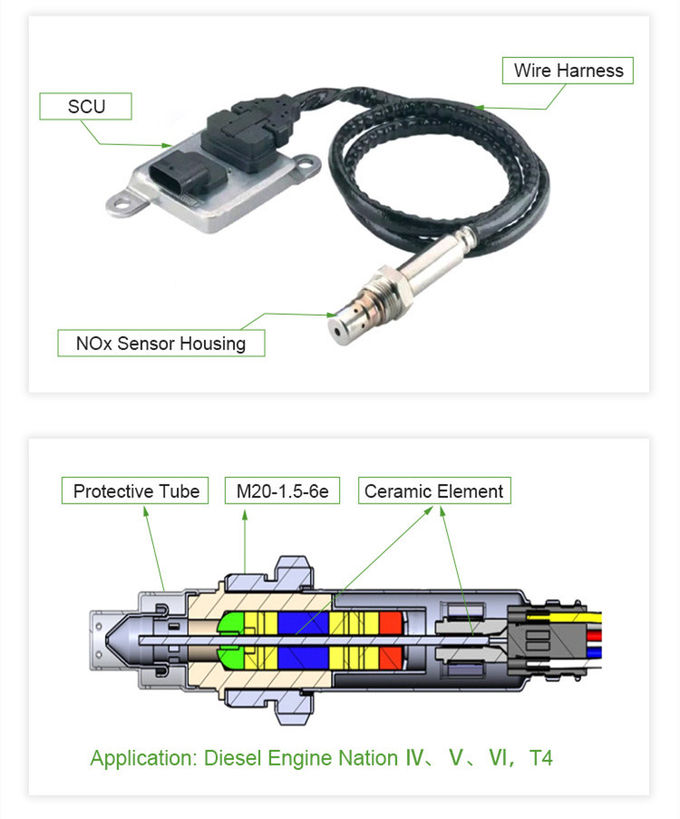
The probe of a NOx (Nitrogen Oxides) sensor is the core component responsible for detecting the concentration of NO and NO₂ gases in vehicle exhaust. It is typically installed in diesel or gasoline vehicles equipped with after-treatment systems like Selective Catalytic Reduction (SCR).
Key Functions:
-
Measures NOx gas concentrations in real-time.
-
Converts chemical presence into electrical signals sent to the vehicle's ECU.
-
Enables accurate urea injection control for emissions reduction.
The probe consists of several subcomponents:
-
Heater element: Heats the sensor to ~700°C for accurate operation.
-
NOx electrochemical cell: Detects NOx levels using ceramic ion conduction.
-
Oxygen sensing cell: Simultaneously measures O₂ concentration for calibration.
-
Diffusion barrier or pump cell: Regulates the gas sample to improve accuracy.
2. Materials Used in the Probe
| Component | Material | Purpose |
|---|---|---|
| Electrolyte | Yttria-Stabilized Zirconia (YSZ) | Solid ceramic ion conductor at high temperatures |
| Electrodes | Platinum or other noble metals | Enable electrochemical reactions |
| Protective Housing | Stainless steel (e.g., SUS304 or SUS316L) | Resists corrosion, mechanical damage |
| Sealing | High-temp ceramic sealant or glass | Ensures airtight operation under heat/corrosion |
3. Testing Required for Qualification
To qualify as a reliable automotive-grade NOx sensor, the probe must undergo a comprehensive set of tests:
| Test | Description |
|---|---|
| Functional Testing | Verifies output accuracy and response time under varying NOx levels |
| Thermal Cycling | Repeated cycles from -40°C to +850°C to test thermal fatigue and durability |
| Vibration Testing | Simulates engine and road vibrations to ensure mechanical stability |
| Damp Heat Testing | High humidity (e.g., 85% RH @ 85°C) for extended periods to test for degradation |
| Chemical Resistance | Exposure to gases like SO₂, CO, NH₃, and hydrocarbons to test poisoning resistance |
| Exhaust Aging Test | Long-duration (e.g., 1000 hours) exposure to real or simulated exhaust gases |
| EMC (Electromagnetic Compatibility) | Ensures stable performance under vehicle-level EMI/EMC conditions |
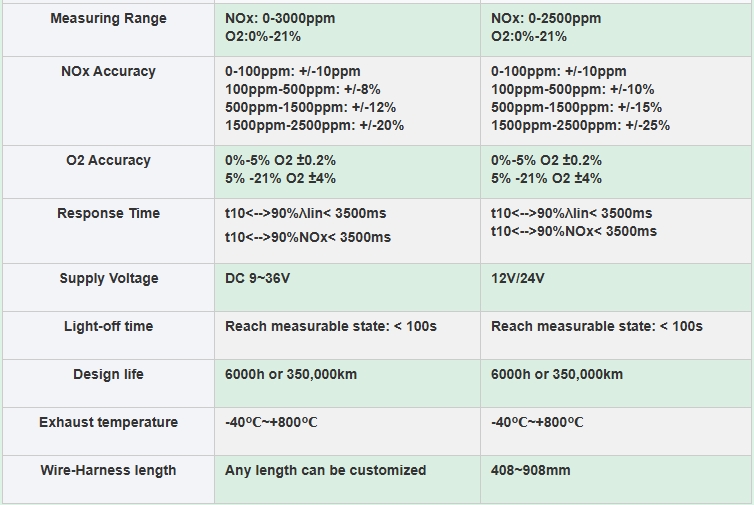
Common Industry Standards:
-
ISO 16750 series (Environmental conditions for electrical/electronic equipment in road vehicles)
-
AEC-Q100 (Automotive-grade component qualification for electronic devices)
4. Summary
| Aspect | Details |
|---|---|
| Purpose | Detect NOx gases in exhaust, feed data to ECU |
| Core Materials | YSZ ceramic, platinum electrodes, stainless steel housing |
| Required Testing | Functional, thermal, vibration, humidity, chemical, aging, EMC |
Comment